
In logistics and transportation, many identifiers are used to keep shipments organized. One of the most common identifiers is the SCAC code. If you work with carriers, freight, or warehouse systems, you will likely see this code often.
This article explains what an SCAC code is, why it is used, and when you may need it in daily operations.
What Is an SCAC Code?
SCAC stands for Standard Carrier Alpha Code.
An SCAC code is a unique two-to-four-letter code used to identify transportation companies. These companies may include trucking companies, rail carriers, ocean carriers, and freight forwarders.
The SCAC code system is managed by the National Motor Freight Traffic Association (NMFTA) in the United States. Each registered carrier receives its own unique code.
For example:
- FDEG — FedEx Ground
- UPSN — UPS
- MAEU — Maersk Line
These codes make it easier to identify carriers quickly and accurately in digital systems.
Why Are SCAC Codes Used?
SCAC codes serve an important role in modern logistics. They help standardize how carriers are identified across systems and documents.
Without a standard code, companies might use slightly different carrier names. This can lead to confusion and errors.
Here are the main purposes of SCAC codes:
1. Standardized Carrier Identification
Carrier names can be long or written in different formats. A short code makes identification simple and consistent.
Instead of writing a full carrier name, systems can store and reference the SCAC code.
2. Faster Electronic Communication
Many logistics systems exchange data electronically. SCAC codes help ensure that the correct carrier is recognized across different platforms.
This is especially important for:
- Electronic Data Interchange (EDI)
- Transportation Management Systems (TMS)
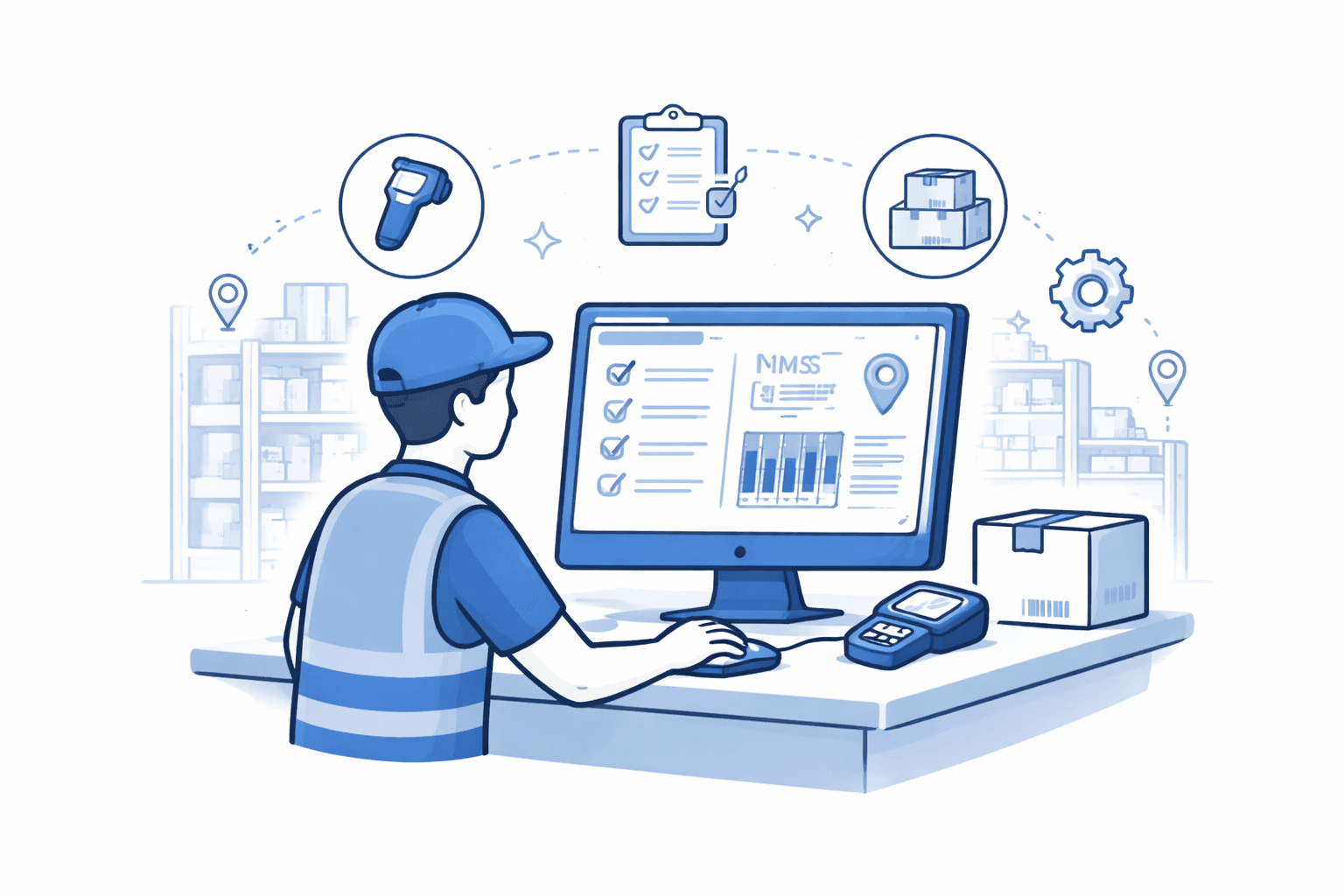
- Warehouse Management Systems (WMS)
3. Improved Tracking and Reporting
SCAC codes allow shipments to be tracked by carrier in a structured way. This makes reporting and performance analysis easier.
For example, companies can review:
- Shipment volume by carrier
- Delivery performance
- Carrier reliability
Common Scenarios Where SCAC Codes Are Used
You may encounter SCAC codes in many parts of logistics and warehouse operations. Below are some common situations where they are required.
Carrier Setup in a WMS or TMS
When adding a carrier into a system, the SCAC code is often required. It ensures the carrier is uniquely identified.
This is common when:
- Creating carrier records
- Assigning carriers to shipments
- Managing routing rules
Shipping Documentation
Many shipping documents include SCAC codes. This helps ensure the correct carrier is referenced.
Examples include:
- Bills of Lading (BOL)
- Shipping manifests
- Freight invoices
EDI Transactions
SCAC codes are widely used in EDI messages between companies and carriers.
Typical EDI transactions that use SCAC codes include:
- Shipment booking
- Load tendering
- Shipment status updates
Without the correct SCAC code, electronic communication may fail or route incorrectly.
Customs and Port Operations
SCAC codes are often required when working with ports, customs systems, and international shipments.
For example:
- Container movement tracking
- Import and export filings
- Terminal operations
Why SCAC Codes Matter for Warehousing Software
Modern warehouse and logistics platforms rely heavily on structured data. SCAC codes play a small but important role in keeping operations organized.
In warehouse software, SCAC codes help:
- Link shipments to the correct carrier
- Support automated workflows
- Reduce manual entry errors
- Improve shipment visibility
Even though the code itself is short, its impact on accuracy and efficiency can be significant.
Final Thoughts
The SCAC code is a simple identifier, but it plays an essential role in logistics operations. It helps systems communicate clearly and keeps shipments moving smoothly.
If your business works with transportation carriers, understanding SCAC codes is important. Whether you manage shipments, configure carriers, or build logistics software, this small code supports many critical processes.