
What Is Reverse Logistics? A Simple Guide
Most supply chain processes focus on moving products from manufacturers to distributors, retailers, and customers. However, products don't always stay with the customer. They may be returned because of defects, warranty claims, incorrect shipments, recycling programs, or end-of-life disposal.
Managing these product movements efficiently is known as Reverse Logistics.
As e-commerce continues to grow and sustainability becomes more important, Reverse Logistics has become a critical capability for modern warehouses and supply chains.
In this guide, we'll explain what Reverse Logistics is, how it works, its key features, advantages, and the common scenarios where it is used.
What Is Reverse Logistics?
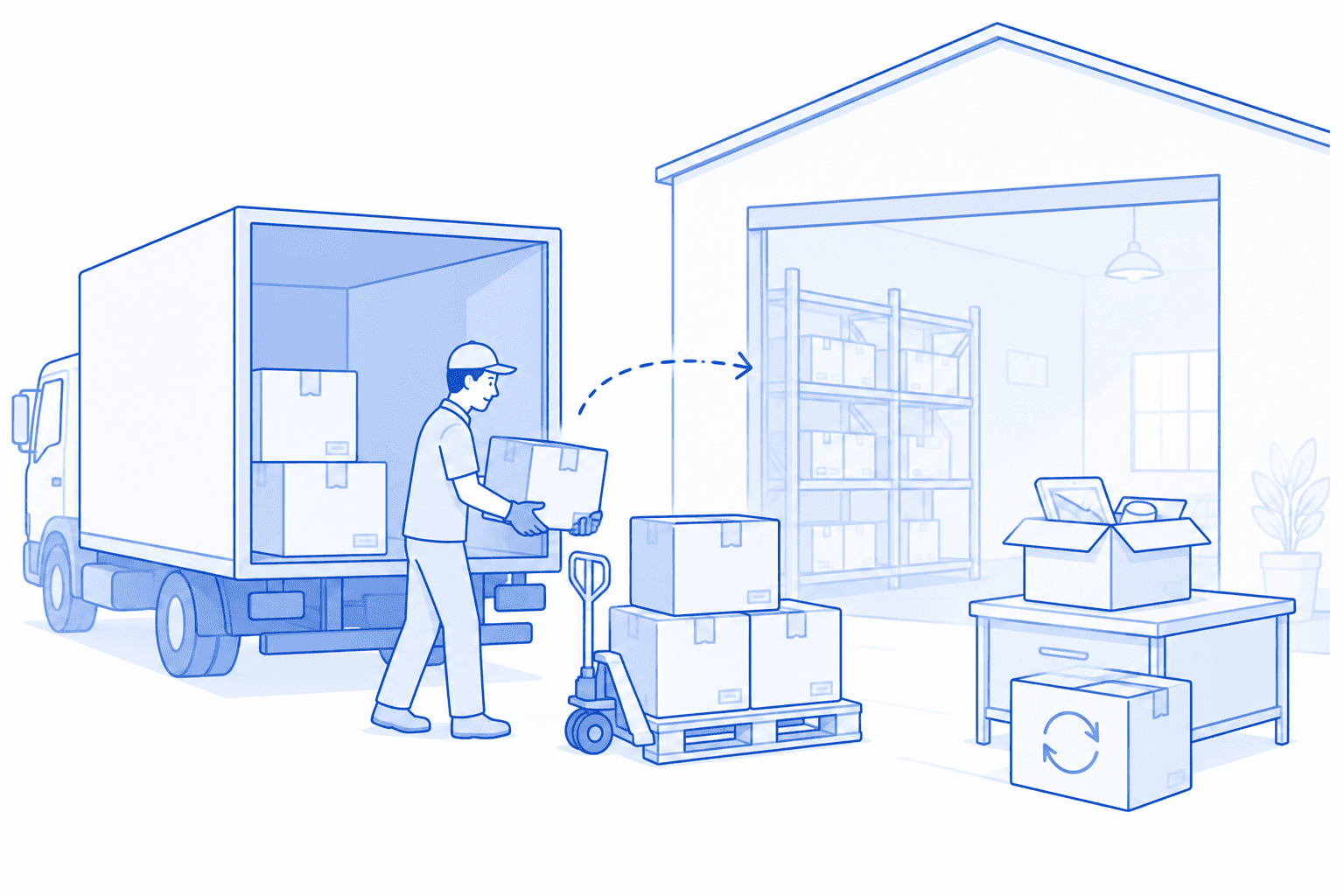
Reverse Logistics is the process of moving products from customers or downstream supply chain partners back to manufacturers, distributors, warehouses, or service centers.
Unlike traditional logistics, which moves products toward customers, Reverse Logistics manages the flow of goods in the opposite direction.
Returned products may be:
- Restocked
- Repaired
- Refurbished
- Recycled
- Repackaged
- Disposed of responsibly
The objective is to recover as much value as possible while minimizing waste and operational costs.
Why Is Reverse Logistics Important?
Product returns are a normal part of modern business, especially in e-commerce and retail.
Without an effective Reverse Logistics process, companies may experience:
- Slow return processing
- Excess inventory
- Customer dissatisfaction
- Higher operating costs
- Increased product waste
An efficient Reverse Logistics strategy helps businesses process returns faster, recover product value, and improve customer experience.
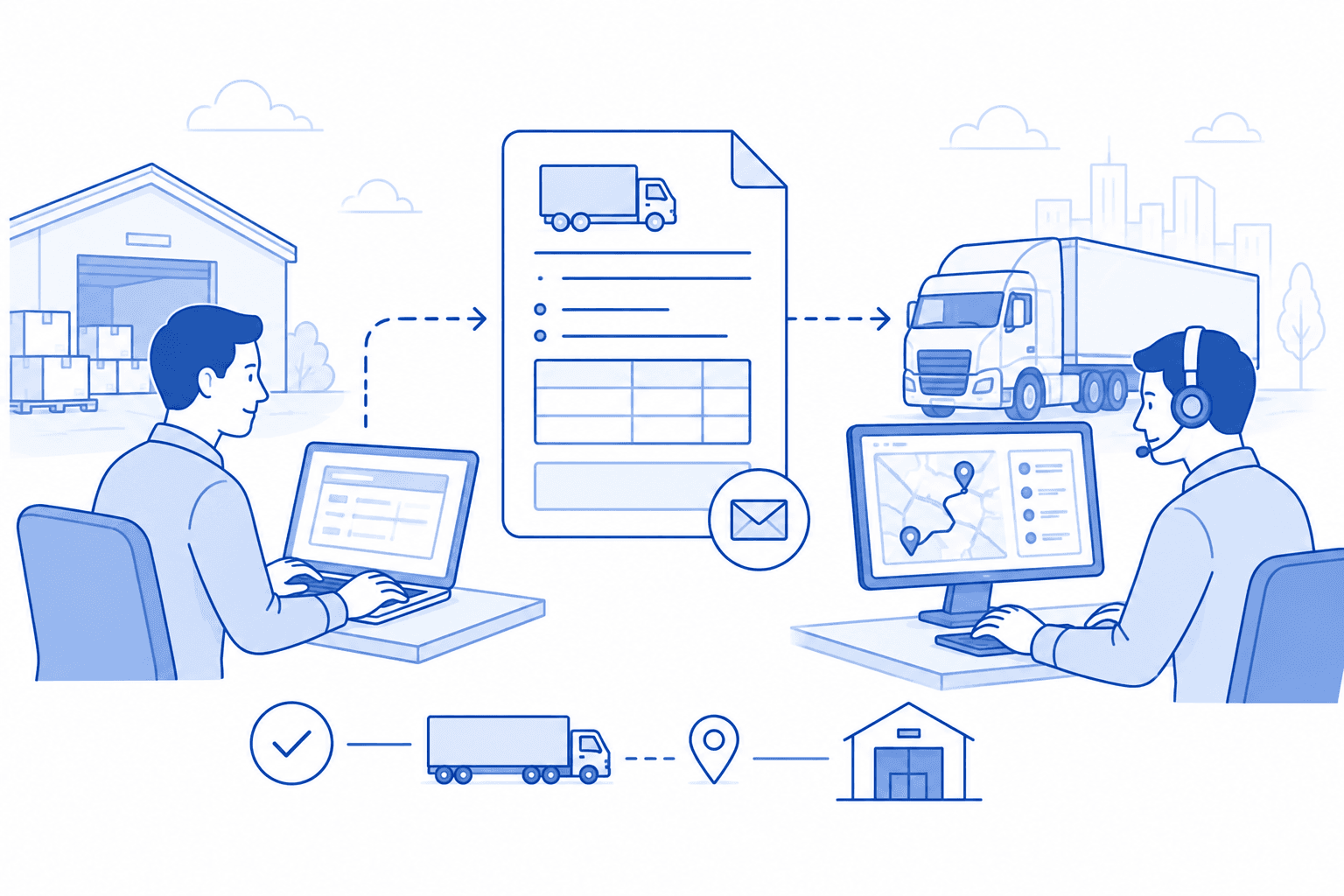
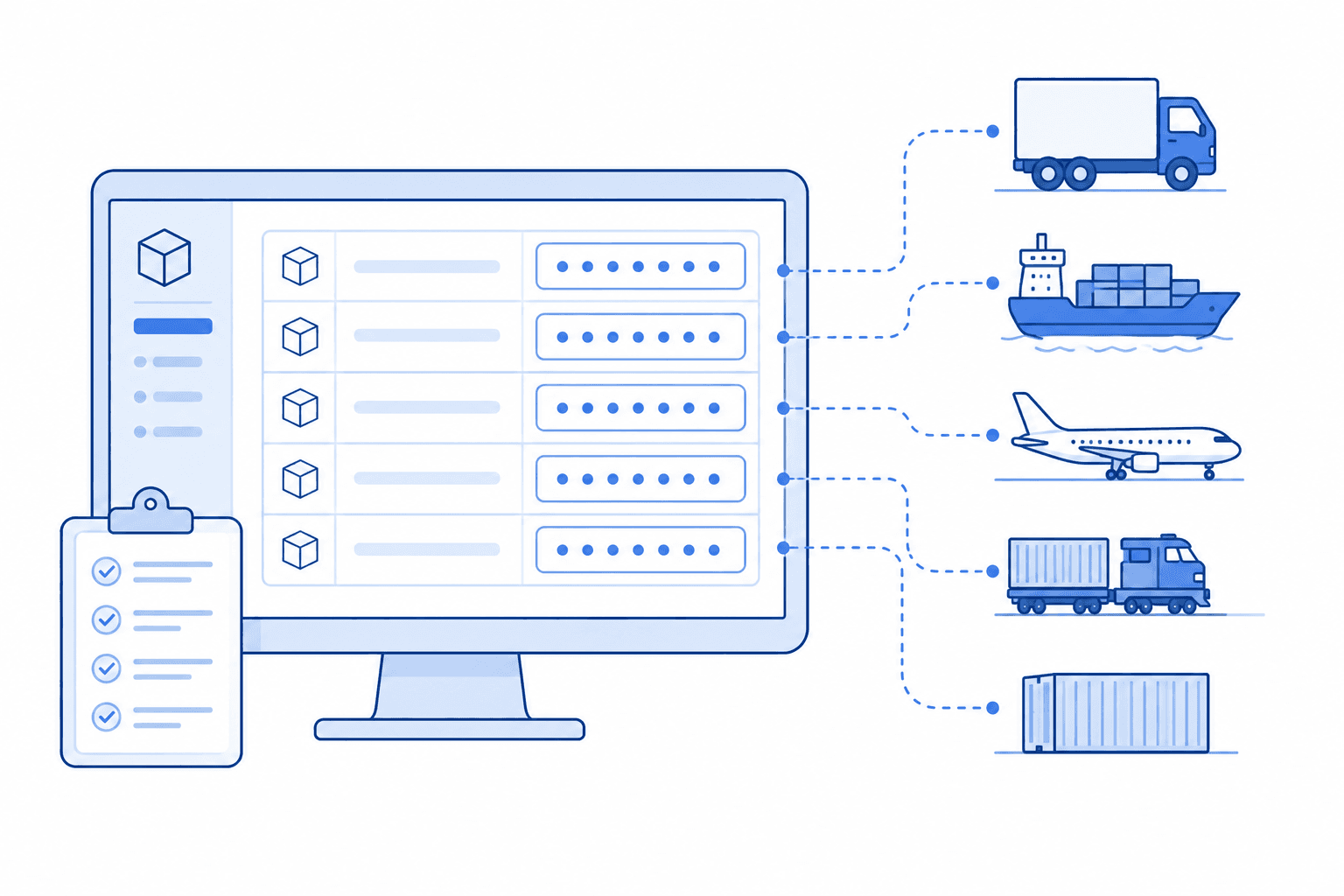
Today, many Warehouse Management Systems (WMS) and Transportation Management Systems (TMS) include dedicated Reverse Logistics workflows.
Key Features of Reverse Logistics
Reverse Logistics includes several important characteristics that distinguish it from traditional outbound logistics.
Returns Processing
The most common Reverse Logistics activity is handling customer returns.
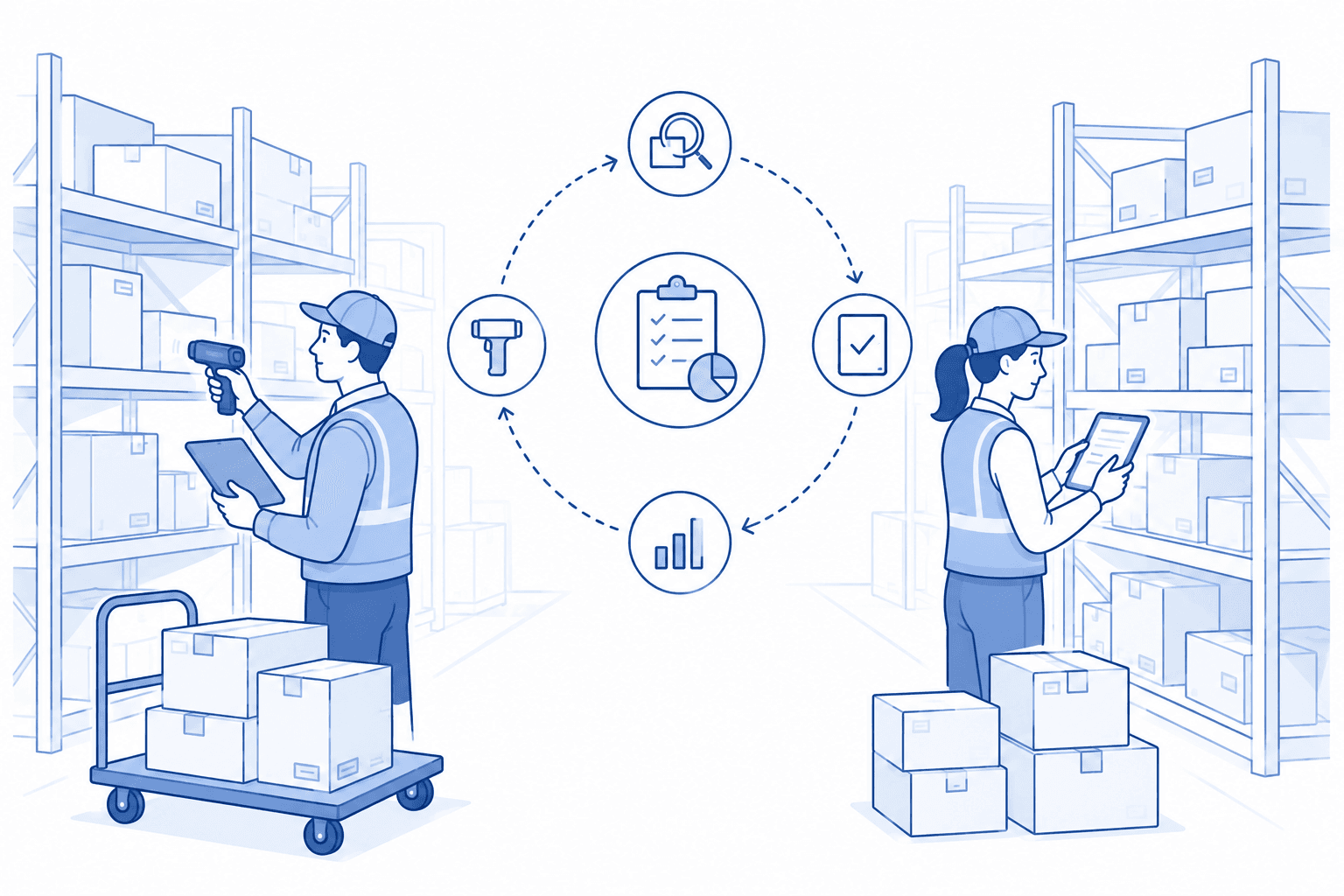
Returned products are received, inspected, and processed according to company policies.
Each item is evaluated to determine its next destination.
Product Inspection
After products are returned, warehouses inspect their condition.
Products may be classified as:
- New
- Resalable
- Repairable
- Refurbishable
- Recyclable
- Damaged
- Scrap
This evaluation determines how each product will be handled.
Inventory Recovery
Whenever possible, returned products are returned to available inventory.
This allows companies to recover product value while reducing replacement costs.
Inventory recovery is especially important for high-value products.
Repair and Refurbishment
Some returned products require repairs or refurbishment before they can be sold again.
These products are sent to repair centers or refurbishment facilities before re-entering inventory.
This extends product life and reduces waste.
Recycling and Disposal
Products that cannot be repaired or resold are often recycled or disposed of according to environmental regulations.
Responsible disposal supports sustainability initiatives while ensuring regulatory compliance.
Advantages of Using Reverse Logistics
A well-designed Reverse Logistics process provides many business benefits.
Better Customer Satisfaction
Fast and transparent return processing improves the customer experience.
Easy returns often increase customer trust and encourage repeat purchases.
Higher Inventory Recovery
Many returned products can be repaired, refurbished, or restocked.
Recovering inventory value reduces financial losses.
Lower Operating Costs
Efficient return processing reduces manual work, storage costs, and unnecessary product replacement.
Automation further improves operational efficiency.
Improved Sustainability
Reusing, repairing, and recycling products reduces landfill waste and supports environmental goals.
Many organizations include Reverse Logistics as part of their sustainability strategy.
Better Business Insights
Return data provides valuable information about:
- Product quality
- Customer behavior
- Packaging issues
- Shipping performance
- Supplier quality
Analyzing return trends helps businesses improve products and operations.
Common Use Cases of Reverse Logistics
Reverse Logistics is widely used across many industries.
E-commerce
Online retailers process customer returns every day due to incorrect orders, damaged products, or customer preferences.
Efficient Reverse Logistics keeps return processing fast and cost-effective.
Retail
Retail stores regularly return unsold inventory, seasonal products, or defective merchandise to distribution centers or suppliers.
Manufacturing
Manufacturers receive defective products for warranty service, repair, refurbishment, or replacement.
Electronics
Electronic devices often require repair, refurbishment, recycling, or certified disposal after being returned.
Reverse Logistics helps recover valuable materials while meeting environmental regulations.
Healthcare and Medical Devices
Medical equipment and reusable devices are often returned for inspection, maintenance, sterilization, or regulatory compliance before being used again.
Reverse Logistics vs Forward Logistics
Although both manage product movement, they serve different purposes.
| Reverse Logistics | Forward Logistics |
|---|---|
| Products move from customers back to the business | Products move from the business to customers |
| Focuses on returns and value recovery | Focuses on order fulfillment and delivery |
| Includes repair, refurbishment, and recycling | Includes picking, packing, shipping, and delivery |
| Handles uncertain product conditions | Handles new or planned inventory |
Together, both processes create a complete product lifecycle management strategy.
Best Practices for Reverse Logistics
Organizations can improve Reverse Logistics by following these best practices:
- Establish clear return policies.
- Standardize product inspection procedures.
- Automate returns using WMS and TMS.
- Classify returned inventory consistently.
- Track return reasons and trends.
- Optimize repair and refurbishment workflows.
- Recycle products responsibly whenever possible.
These practices improve efficiency, reduce costs, and increase recovered product value.
Conclusion
Reverse Logistics is no longer just a returns process—it has become an essential part of modern supply chain management.
By efficiently managing returns, repairs, refurbishment, recycling, and inventory recovery, Reverse Logistics helps businesses reduce costs, improve customer satisfaction, recover product value, and support sustainability initiatives.
As e-commerce continues to grow and environmental responsibility becomes increasingly important, Reverse Logistics will remain a key capability for modern warehouses, logistics providers, and supply chain organizations.